Our last stop in Sweden was the ancient town of Sigtuna. Fortunately this town was on our way from More to
the Arlanda airport. We were able to spend several hours in this ancient Swedish town before heading to our
final stay in Sweden at the Connect Hotel (http://connecthotels.se/en/arlanda/ ) by the Arlanda airport.
Although less significant today, Sigtuna has an important place in Sweden's early history. It is the
oldest town in Sweden, having been founded in 980.
Fornsigtuna (forn means ancient), Old Sigtuna, Sithun, Sign(h)ildsberg or Signesberg (59 37'N, 17 39'E)
is located in the parish of Håtuna approximately 4 kilometres (2.5 mi) west of the modern town of
Sigtuna, by lake Mälaren, in Sweden. Although the location is nearly forgotten, it has a central
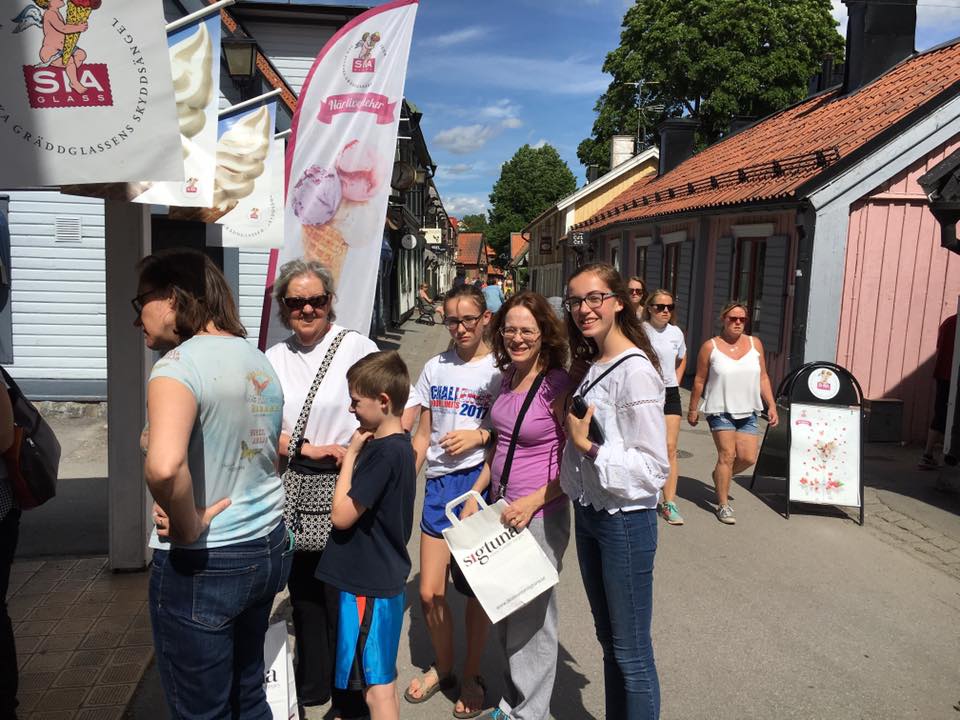
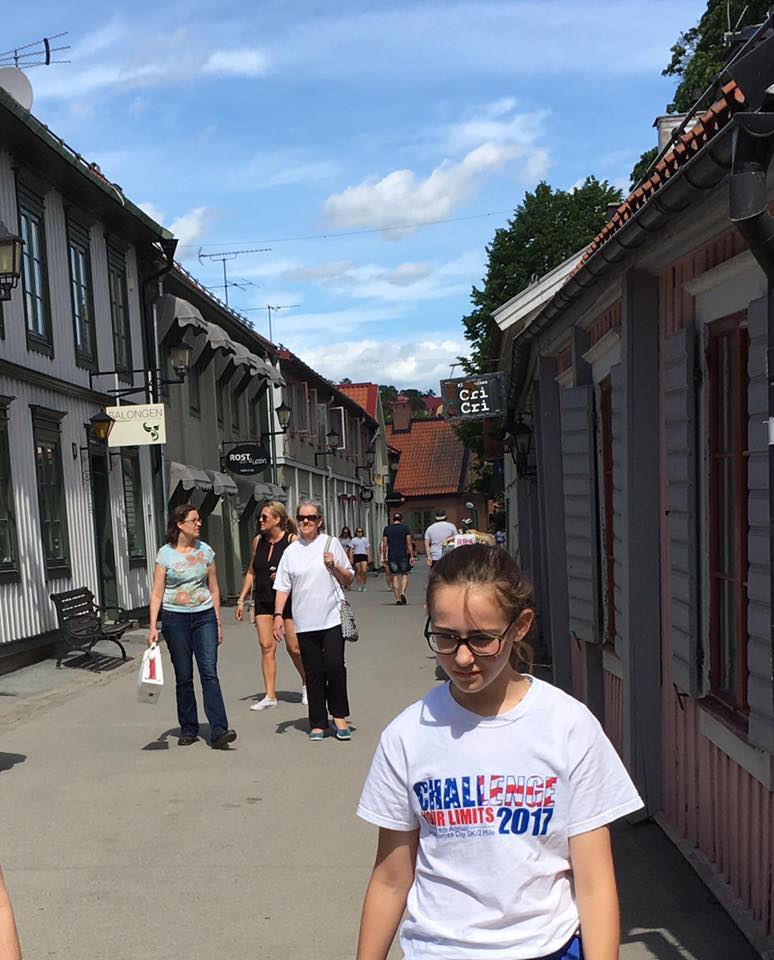
role in Norse mythology. Sigtuna has a picturesque medieval town centre with restaurants, cafes and
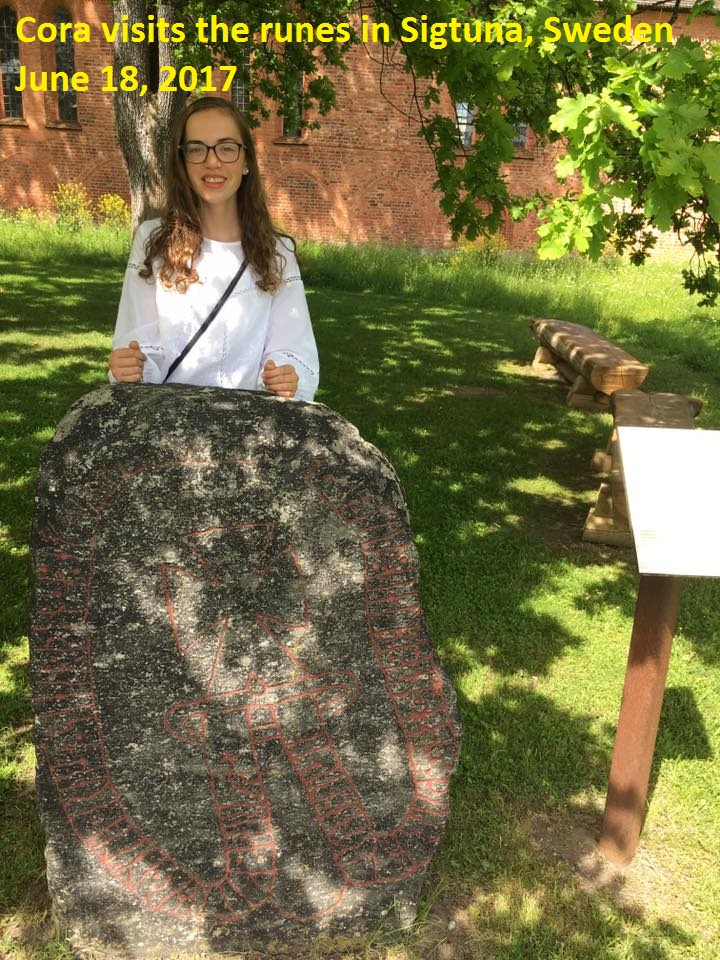
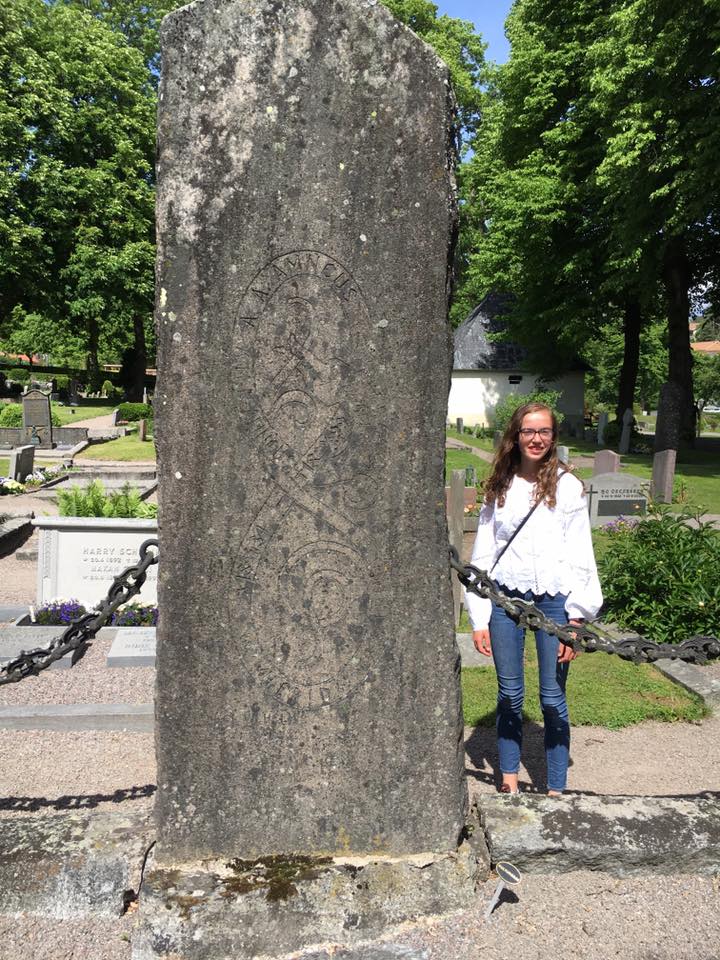
small shops. The old church ruins, runic stones and Stora gatan, the old main street, are popular
attractions for tourists especially in the summertime. The small streets with the low built wooden
houses lead up to several handicrafts shops and the old tiny town hall, Sigtuna Rådhus. There are
restaurants and a hotel (Stadshotellet) in the town centre.
Sigtuna was founded on what was then the shore of Lake Mälaren just over 1,000 years ago. It took
its name from an ancient royal estate (see Uppsala öd) several kilometers to the west (see
Fornsigtuna). Various sources claim King Eric the Victorious as founder while others claim King Olof
Skötkonung. It operated as a royal and commercial centre for some 250 years, and was one of the
most important cities of Sweden. During a brief period at the end of the 10th and beginning of the 11th
century, Sweden's first coins were minted here. St. Mary's Church, built in the 13th century by the
Dominican order as a monastery church, still remains largely intact. The Dominican monastery played an
important role in the Swedish Middle Ages and produced many important Church officials. Among them, many
Swedish archbishops. Many church and monastery ruins still stand, and the old town structure has not
been remodeled, as happened in many Swedish cities during the 19th and 20th centuries.
 .
.